
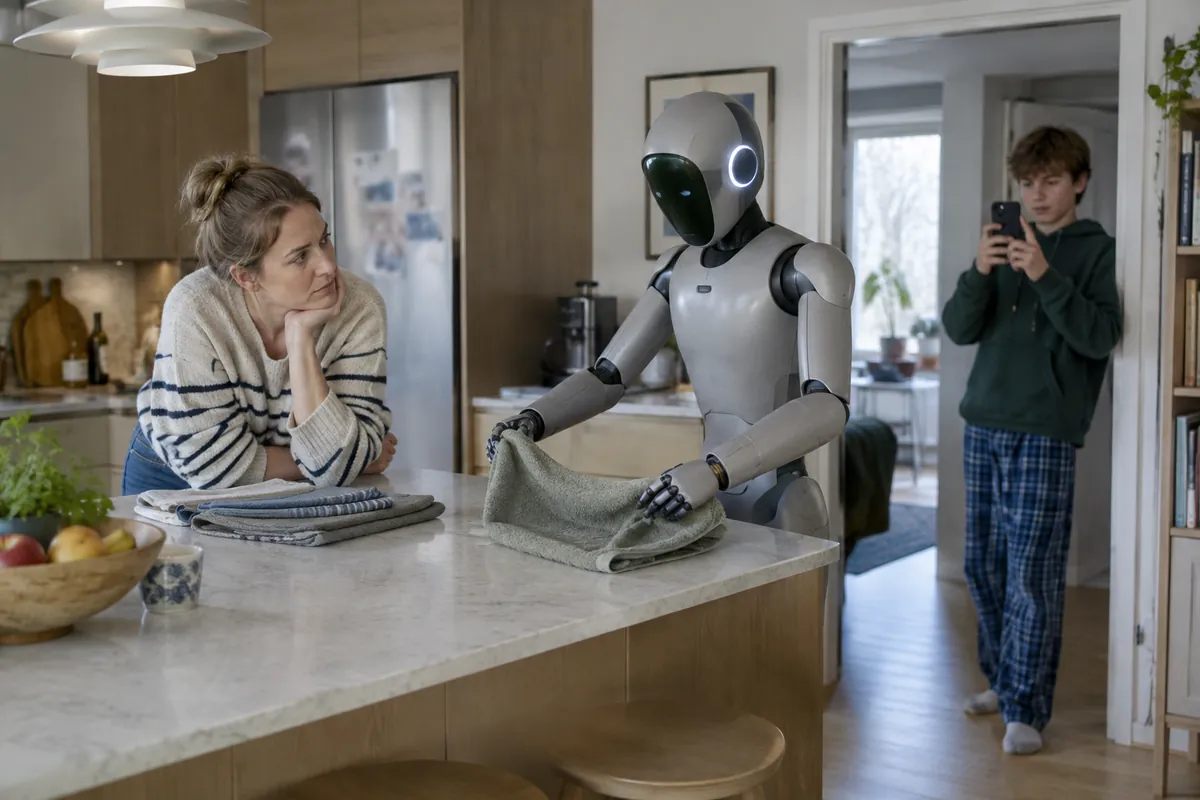
En AI-robot är en maskin som själv tolkar sin omgivning och väljer hur den ska agera, i stället för att upprepa rörelser som en programmerare har skrivit in i förväg. Under 2025 och 2026 har området tagit ett tydligt kliv. Språkmodeller styr numera robotarmar direkt, humanoida robotar har gått från prototyper till fabrikslinor och de första hemrobotarna med armar och ben levereras till köpare i USA. Här går redaktionen igenom hur tekniken fungerar, vilka robotar som finns på riktigt hösten 2026, vad de kostar och vilka regler som gäller i EU.
Vad är en AI-robot?
Ordet robot har länge betytt en programmerbar maskin. En klassisk industrirobot svetsar samma fog tusentals gånger per dag med en precision på bråkdelar av en millimeter. Den vet ingenting om fogen. Om detaljen ligger fem centimeter fel svetsar den i luften.
En AI-robot har en annan arbetsordning. Kameror och andra sensorer matar en modell som tränats på stora mängder data. Modellen avgör vad som syns och vad som bör göras härnäst. Roboten klarar därför variation: en kopp som står på ett nytt ställe, ett föremål den aldrig sett eller en instruktion i vanligt språk som ”plocka undan leksakerna”. Gränsen mellan kategorierna är flytande. Många moderna industrirobotar har AI-kameror för att hitta detaljer men följer i övrigt fasta program.
Programmerad robot jämfört med AI-robot
| Egenskap | Programmerad robot | AI-robot |
|---|---|---|
| Hur beteendet uppstår | Kod och inlärda positioner | Modell tränad på data och demonstrationer |
| Miljö | Fast och förutsägbar | Föränderlig, med okända föremål |
| Ny uppgift | Kräver ny programmering | Kan ibland lösas med en instruktion i text eller tal |
| Styrka | Hastighet, precision och förutsägbarhet | Flexibilitet och generalisering |
| Svaghet | Stannar vid minsta avvikelse | Svårare att garantera exakt beteende |
Så är en AI-robot uppbyggd
Oavsett om det gäller en robotgräsklippare eller en humanoid följer de flesta AI-robotar samma kedja i fyra led. Varje led kan vara mer eller mindre AI-baserat.
Sensorer
Kameror är den viktigaste källan i dag, ofta kompletterade med djupkameror, lidar, ultraljud, tröghetssensorer och kraftgivare i leder och fingrar. Figure uppger att handen på Figure 03 har en kamera i handflatan och fingertoppssensorer som känner krafter ned till tre gram. Dyra sensorer ger bättre data men höjer priset. Billiga hemrobotar klarar sig ofta med en enda kamera och några enkla avståndsgivare.
Perception
Perception betyder att råa sensorsignaler blir till förståelse: här är golvet, där ligger en sladd, det där är en igelkott. Det sköts av neurala nätverk som tränats på miljontals bilder. Roboten bygger också en karta över omgivningen och håller reda på var den själv befinner sig, en teknik som kallas SLAM (simultaneous localization and mapping).
Planering
Planeringssteget bestämmer vad roboten ska göra och i vilken ordning. En robotdammsugare planerar en rutt runt möblerna. En humanoid som fått uppdraget att duka av bordet måste dela upp det i delsteg: gå fram, ta tallriken, öppna diskmaskinen, ställa in den. Det är här språkmodellerna har gjort störst skillnad på kort tid.
Styrning
Sist kommer styrningen, som översätter planen till ström i motorer. Den måste gå snabbt, ofta hundratals gånger per sekund, för att roboten ska hålla balansen och greppa mjukt. Klassisk reglerteknik dominerar fortfarande här, men allt fler tillverkare låter neurala nätverk ta över även detta lager.
Språkmodeller och vision-language-action-modeller
Den största förändringen de senaste åren är att samma typ av AI som driver chattbotar har flyttat in i robotar. En vision-language-action-modell, förkortat VLA, tar emot kamerabilder och en instruktion i text och ger direkt ut rörelser för robotens leder. Modellen har lärt sig både av text och bilder från internet och av inspelade robotrörelser. Den kan därför koppla ett ord som ”skör” till hur hårt något ska greppas.
Tre aktörer har drivit utvecklingen:
- Google DeepMind presenterade Gemini Robotics 1.5 i september 2025. Paketet bestod av en VLA-modell som omvandlar bild och instruktion till motorkommandon och en planeringsmodell, Gemini Robotics-ER 1.5, som gör flerstegsplaner och kan söka information. Planeringsmodellen blev tillgänglig för utvecklare via Gemini API medan själva handlingsmodellen bara gick till utvalda partner. I juli 2026 kom nästa generation, Gemini Robotics 2, som enligt DeepMind kan styra allt från bordsarmar till hela humanoider. Även den ges än så länge bara till partner med tidig åtkomst.
- Figure AI utvecklar en egen VLA-modell, Helix, som enligt företaget styr perception, rörelse och resonemang ombord på roboten i realtid.
- Physical Intelligence släppte modellen π0 i oktober 2024 och gjorde vikter och kod öppna i februari 2025. Uppföljaren π0.5 (april 2025) styrde en mobil robot som städade kök och sovrum den aldrig sett förut. Senare versioner, π*0.6 och π0.7, lär sig av egen erfarenhet med förstärkningsinlärning. Företaget redovisar modellerna på pi.website.
Svenska forskare är med i samma utveckling. Vid KTH använder professor Danica Kragic Jensfelts grupp VLA-modeller för att automatisera hand- och armrörelser i tillverkningsindustrin. Lärosätet bygger upp en satsning på humanoid robotik kallad SAInt.
Vad betyder detta för en vanlig användare? Mest att roboten kan få instruktioner i vardagligt språk och klara uppgifter den inte tränats exakt på. Felfrekvensen är fortfarande hög jämfört med en programmerad industrirobot. Därför används VLA-modeller ännu mest i forskning och pilotprojekt.
Humanoida robotar 2025-2026
Humanoider är robotar byggda ungefär som människor, med två armar och oftast två ben. Idén är att de ska kunna jobba i miljöer som redan är gjorda för oss, med trappor, dörrhandtag och hyllor. Investeringarna har varit enorma. Leveranserna är fortfarande små.
Tesla Optimus
Tesla meddelade i sitt kvartalsbrev för tredje kvartalet 2026 att produktionen av Optimus har startat i fabriken i Fremont i Kalifornien. Bolaget kallar robotarna de första i produktionskvalitet men har inte angett pris eller datum för försäljning till externa kunder. Elon Musk har sagt att han vill att allmänheten ska kunna köpa Optimus i slutet av 2027. Tidigare mål, till exempel omkring 10 000 robotar under 2025, nåddes inte.
Figure 03
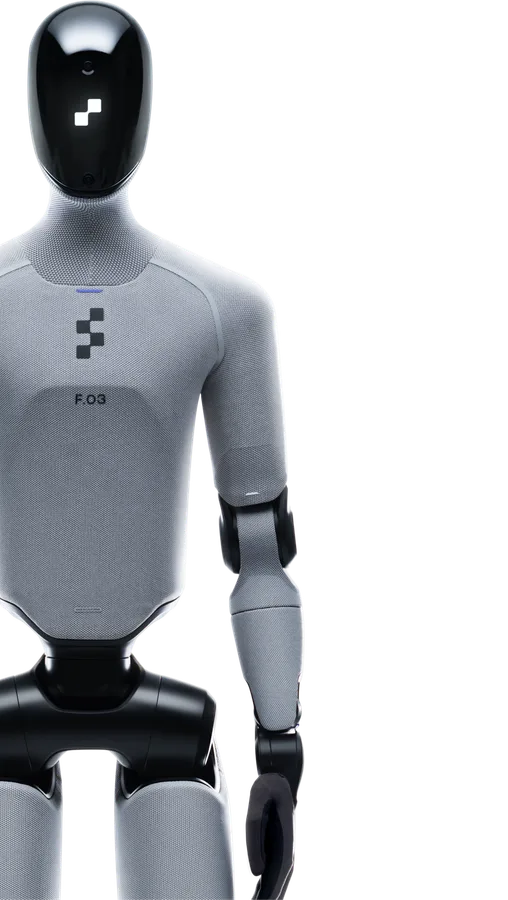
Figure AI presenterade sin tredje generation i oktober 2025. Figure 03 har mjuka, tvättbara textilklädslar, skumgummi vid klämpunkter och laddas trådlöst via spolar i fötterna med 2 kW. Företaget bygger robotarna i en egen fabrik, BotQ, med en första linje för upp till 12 000 enheter per år. Pris och tillgänglighet för privatpersoner har Figure inte publicerat.

1X NEO, humanoiden för hemmet
Norsk-amerikanska 1X är det bolag som kommit längst mot hemmet. Förbeställningar av NEO öppnade i oktober 2025 med en återbetalningsbar handpenning på 200 dollar. Priset är 20 000 dollar för köp med förtur till leverans 2026, alternativt ett abonnemang för 499 dollar i månaden. Fabriken i Hayward i Kalifornien startade full produktion 30 april 2026 med kapacitet för 10 000 robotar första året. Enligt tillverkaren är NEO cirka 168 cm lång, väger omkring 30 kg och har en batterikapacitet på 842 Wh som räcker ungefär fyra timmar.
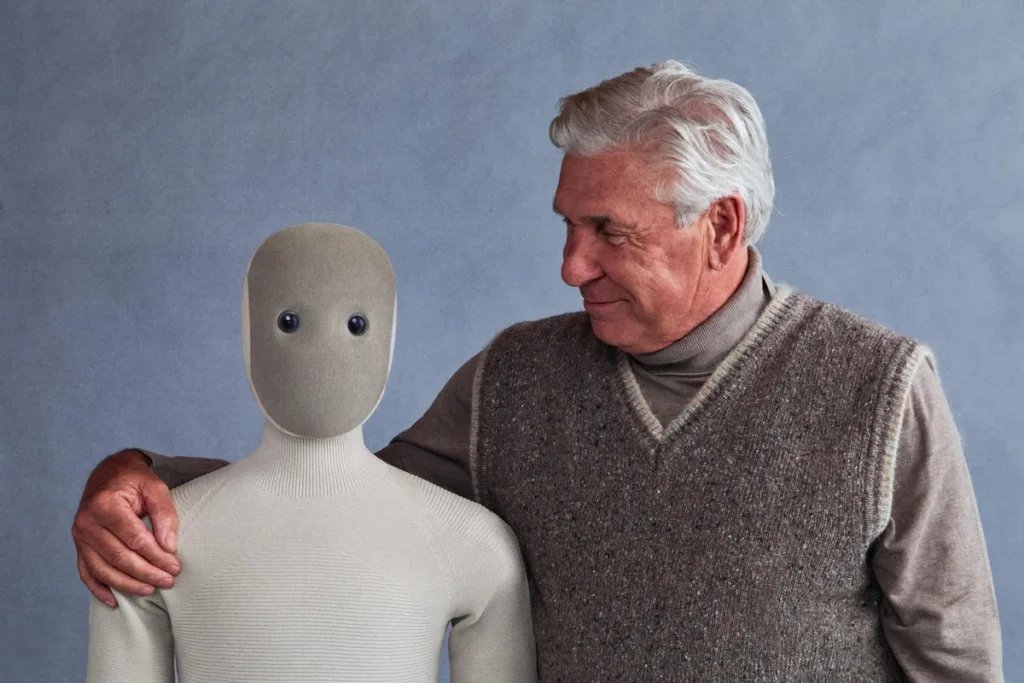
Två saker bör en svensk läsare känna till. Försäljningen gäller i första hand USA. Andra marknader ska enligt 1X tillkomma från 2027. Ingen leveransdag för Sverige är satt.
Den andra saken gäller självständigheten. För sysslor NEO inte kan på egen hand kan ägaren boka en fjärroperatör från 1X som styr roboten via dess kameror. Enligt rapportering hösten 2026 klarade NEO i tidiga tester inte hushållssysslor utan sådan hjälp. En ljusring på roboten ska visa när en människa har tagit över.
Boston Dynamics Atlas
Boston Dynamics, som ägs av Hyundai, visade produktionsversionen av den eldrivna Atlas på CES i januari 2026. Roboten har 56 frihetsgrader, en räckvidd på 2,3 meter och kan lyfta upp till 50 kg. Den tål temperaturer från -20 till 40 grader. Hela produktionen för 2026 är bokad, med flottor till Hyundais anläggning för robotapplikationer och till Google DeepMind, som ska integrera sina AI-modeller i roboten. Fler kunder tas in tidigast 2027.
Unitree G1
Kinesiska Unitree säljer humanoider som forsknings- och utvecklingsplattformar till betydligt lägre pris än konkurrenterna. Grundversionen av G1 kostar enligt tillverkaren 13 500 dollar exklusive skatt och frakt (prisnivå hösten 2026). Den är 132 cm hög, väger runt 35 kg och har cirka två timmars batteritid. G1 är ingen hushållsrobot. Den köps främst av universitet och företag som vill utveckla egen mjukvara.
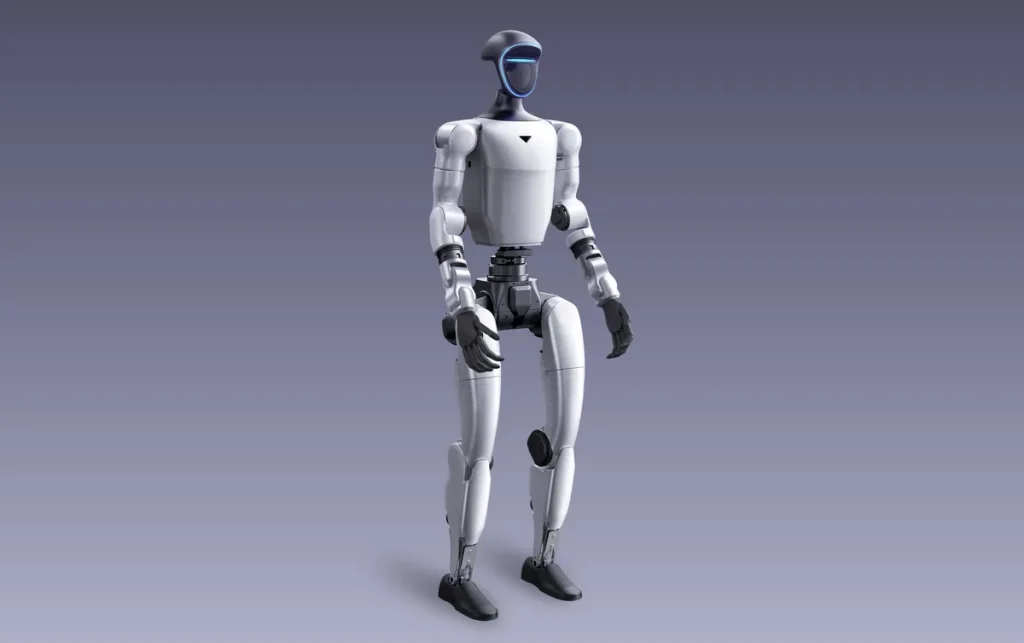
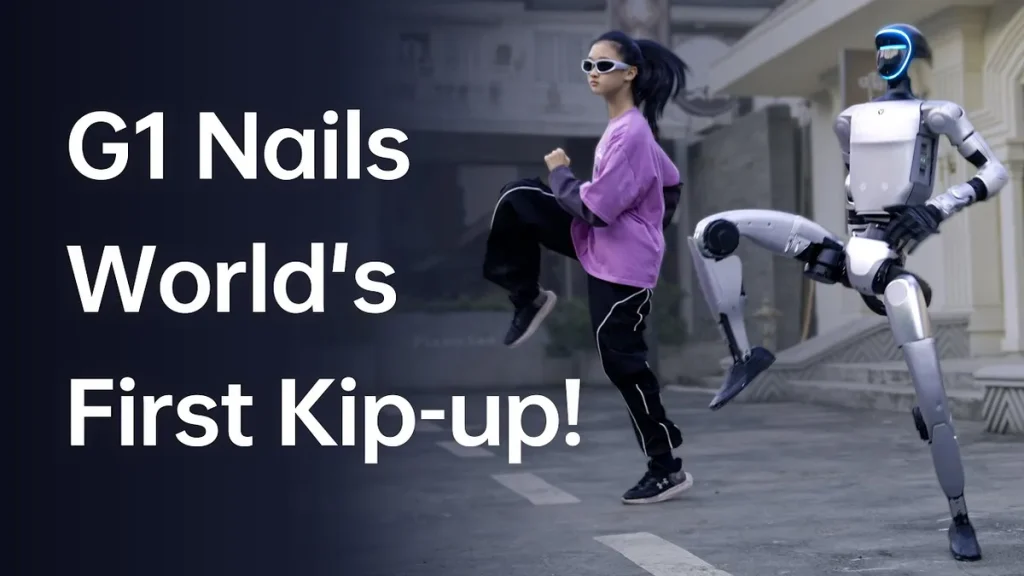
Jämförelse av humanoida robotar
Tabellen bygger på tillverkarnas egna uppgifter och verifierad rapportering. Streck betyder att uppgiften inte är offentlig.
| Robot | Tillverkare | Status hösten 2026 | Pris | Vikt | Lyft eller nyttolast | Batteritid |
|---|---|---|---|---|---|---|
| NEO | 1X | Produktion sedan april 2026, leveranser till förtursköpare i USA | 20 000 USD eller 499 USD/mån | ca 30 kg | lyfter ca 70 kg, bär ca 25 kg | ca 4 h |
| Optimus | Tesla | Produktion startad i Fremont, ingen extern försäljning | – | – | – | – |
| Figure 03 | Figure AI | Lanserad oktober 2025, ingen konsumentförsäljning | – | – | – | – |
| Atlas (eldriven) | Boston Dynamics | I produktion, hela 2026 bokat av Hyundai och Google DeepMind | – | – | upp till 50 kg | – |
| G1 | Unitree | I handeln som utvecklingsplattform | från 13 500 USD exkl. skatt och frakt | ca 35 kg | – | ca 2 h |
AI i hemrobotar som redan finns
Den som vill ha en AI-robot hemma i dag behöver inte vänta på humanoider. Robotdammsugare och robotgräsklippare med kamera och objektigenkänning säljs i vanliga butiker i Sverige.
Husqvarna lanserade i oktober 2025 fyra nya klippare i Automower NERA-serien med AI-baserad kamerateknik: 405VE, 410VE, 430V och 450V. De kom ut i handeln i början av 2026. Enligt Husqvarnas supportsida identifierar kameran föremål i realtid och styr runt dem. Exempel som tillverkaren nämner är en fotboll, en picknickfilt eller en igelkott. NERA-modellerna har infraröd kamera som fungerar även på natten. Kameran hjälper också till med navigeringen när satellitsignalen är svag och kan med funktionen Boundary Assist hitta gräsmattans fysiska kant mot plattor och rabatter.
Inomhus har robotdammsugarna kommit ännu längre. Roborock Saros Z70, som började säljas i Sverige i juni 2025, har en inbyggd mekanisk arm som kan plocka upp föremål som väger upp till 300 gram. Navigeringssystemet kombinerar RGB-kamera, 3D-sensorer och maskininlärning och kände vid lanseringen igen 108 typer av föremål och hinder. Det rekommenderade priset var 19 990 kronor vid lanseringen. Armen är ett tidigt exempel på att städrobotar börjar hantera föremål och inte bara undvika dem.
Kollaborativa robotar i industrin
Kollaborativa robotar, ofta kallade cobotar, är industrirobotar som får arbeta nära människor utan staket. De är lättare och långsammare än traditionella robotar och stannar eller backar vid kontakt. Den internationella standarden ISO 10218 reviderades 2025. Kraven för samarbete mellan människa och robot, som tidigare låg i den tekniska specifikationen ISO/TS 15066, har nu arbetats in i själva standarden, inklusive gränsvärden för hur hårt en robot får träffa olika kroppsdelar.
AI gör cobotar enklare att ta i bruk. Kameror med objektigenkänning låter roboten plocka okända detaljer ur en låda. Generativ AI hjälper operatörer att programmera utan djupa kunskaper i robotspråk. Kombinationen sänker tröskeln för mindre företag som inte har råd med en egen robotingenjör.
Svensk koppling: ABB Robotics
ABB Robotics är en av världens största tillverkare av industrirobotar och en stor verksamhet i Västerås, där omkring 1 000 av divisionens cirka 7 000 anställda arbetar. I oktober 2025 meddelade ABB att robotdivisionen säljs till japanska SoftBank Group för 5,375 miljarder dollar, drygt 50 miljarder kronor. Enligt SoftBanks pressmeddelande väntades affären slutföras under mitten eller senare delen av 2026, efter godkännanden från bland annat EU, Kina och USA. När den här texten skrevs i oktober 2026 hade ABB inte redovisat affären som slutförd.
AI-satsningarna i Västerås syns redan i produkterna. I juni 2025 presenterade ABB konceptet Autonomous Versatile Robotics, där mobila robotar ska byta uppgift och planera arbetet själva. I paketet ingick AI-kamerasystem, en plockfunktion för okända föremål och arbete med VLA-modeller för fingerfärdighet. I september 2025 lanserades en assistent i programmeringsverktyget RobotStudio som bygger på en stor språkmodell och ger stegvis vägledning vid programmering och felsökning. SoftBank har själv motiverat köpet med satsningen på det bolaget kallar fysisk AI.
Säkerhet och regler i EU
Två EU-regelverk styr hur AI-robotar får säljas. Det ena gäller AI, det andra maskiner. Datumen har flyttats under 2026 och är lätta att blanda ihop.
AI-förordningen
EU:s AI-förordning (förordning 2024/1689) gäller i etapper. Förbuden mot vissa AI-tillämpningar och kravet på AI-kunnighet gäller sedan 2 februari 2025. Regler för AI-modeller för allmänna ändamål gäller sedan 2 augusti 2025.
Genom ett ändringspaket, förordning (EU) 2026/1744, som trädde i kraft 27 juli 2026, sköts kraven på högrisksystem upp. Fristående högrisksystem enligt bilaga III omfattas från 2 december 2027. AI som ingår i produkter som redan regleras av annan EU-lagstiftning, till exempel maskiner, omfattas från 2 augusti 2028. Ändringen flyttar också maskinförordningen till en del av förordningens bilaga där färre AI-krav gäller direkt.
Maskinförordningen
Den nya maskinförordningen (EU) 2023/1230 ersätter maskindirektivet och tillämpas från 20 januari 2027. Den tar för första gången upp maskiner med självutvecklande beteende. Med det menas program som lär sig av data under drift. Säkerhetsfunktioner som bygger på sådan maskininlärning ska typprövas av ett anmält organ innan maskinen får säljas. Tillverkare av AI-robotar kan därför inte nöja sig med en egen försäkran om att produkten är säker.
Integritet
En AI-robot med kameror som rör sig i hemmet samlar in mer data än nästan någon annan apparat. Frågan är vart bilderna tar vägen. Svaren skiljer sig stort mellan tillverkare.
Husqvarna uppger att bilder från Automower med AI vision behandlas lokalt i klipparen och aldrig lagras, överförs eller delas. 1X erbjuder i NEO möjlighet att sätta upp zoner där roboten aldrig går och att sudda ut ansikten på personer den möter. Fjärrstyrningen innebär ändå att en anställd hos tillverkaren kan se in i hemmet medan uppdraget pågår. Läs integritetspolicyn före köp och kontrollera om databehandlingen sker lokalt eller i molnet. För produkter som säljs i Sverige gäller dataskyddsförordningen GDPR. Integritetsskyddsmyndigheten är tillsynsmyndighet.
Så skiljer du verkliga framsteg från demovideor
Robotbranschen lever i hög grad på video. En imponerande film kan dölja mycket. Ställ följande frågor när en ny robot visas upp:
- Är roboten självständig eller fjärrstyrd? Många demonstrationer görs med en människa som styr i bakgrunden. Seriösa tillverkare skriver ut ”autonomous” eller ”teleoperated” i filmen.
- Visas videon i normal hastighet? Text som ”2x” eller ”4x” i hörnet betyder att roboten i verkligheten är långsammare.
- Hur många försök krävdes? En lyckad tagning säger lite om felfrekvensen. Forskningsartiklar redovisar ofta andel lyckade försök, reklamfilmer gör det sällan.
- Är miljön förberedd? Ett kök där varje föremål ligger på exakt rätt plats är en helt annan uppgift än ett verkligt hem.
- Finns ett pris och ett leveransdatum? Produkter med publicerat pris, villkor och leveranser till betalande kunder har kommit längre än produkter som bara visas på mässor.
Tittar man på de faktiska leveranserna hösten 2026 är bilden mer återhållsam än i reklamen. Industrin får humanoider i små serier. Hemmen får främst robotdammsugare och robotgräsklippare med smartare kameror.
Framtidsutsikter
De närmaste åren avgörs av tre saker: om VLA-modellerna blir tillräckligt pålitliga, om priserna faller när fabrikerna växer och om reglerna ger tillverkarna tydliga spelregler. Både 1X och Figure bygger fabriker för tiotusentals robotar per år. Tesla har startat produktion. De nya EU-reglerna för maskiner med självlärande säkerhetsfunktioner börjar gälla i januari 2027.
Debatten om AI och robotar domineras lätt av oro för jobb och kontroll. Det finns även en annan sida, med robotar som tar över tunga lyft i vården, farliga moment i industrin och tråkiga sysslor i hemmet. Den som vill följa den mer hoppfulla delen av teknikutvecklingen hittar positiva nyheter om bland annat teknik och innovation på gredelin.se. Tekniken är ännu ung, men de första stegen ut ur labben har tagits.
Vanliga frågor
Vad är skillnaden mellan en AI-robot och en vanlig robot?
En vanlig robot följer ett förprogrammerat schema och klarar inte avvikelser. En AI-robot tolkar omgivningen med kameror och sensorer och väljer själv hur den ska agera. Därför klarar den föremål och situationer den inte programmerats för.
Kan man köpa en humanoid robot för hemmet i Sverige?
Inte hösten 2026. 1X NEO säljs i första hand i USA och tillverkaren har angett att andra marknader ska tillkomma från 2027. Unitree G1 går att köpa men är en utvecklingsplattform och ingen hushållsrobot.
Vad kostar 1X NEO?
Priset är 20 000 dollar för köp eller 499 dollar i månaden som abonnemang (prisnivå hösten 2026). Förbeställning kräver en återbetalningsbar handpenning på 200 dollar.
När kan man köpa Tesla Optimus?
Tesla har startat produktion i Fremont men har inte satt något pris eller försäljningsdatum. Elon Musk har uttalat målet att allmänheten ska kunna köpa roboten i slutet av 2027.
Vad är en vision-language-action-modell?
En VLA-modell tar emot kamerabilder och en instruktion i text och ger direkt ut rörelser för robotens motorer. Exempel är Google DeepMinds Gemini Robotics, Figures Helix och Physical Intelligences π-modeller.
Finns det AI i robotdammsugare och robotgräsklippare?
Ja. Flera modeller har kameror med objektigenkänning som känner igen sladdar, leksaker, djur och andra hinder. Husqvarna Automower NERA med AI vision och Roborock Saros Z70 är två exempel som säljs i Sverige.
Vilka EU-regler gäller för AI-robotar?
AI-förordningen och maskinförordningen. Maskinförordningen tillämpas från 20 januari 2027 och kräver typprövning av säkerhetsfunktioner som bygger på maskininlärning. AI-förordningens högriskkrav för AI i reglerade produkter som maskiner gäller från 2 augusti 2028.
Vem äger ABB Robotics?
ABB kom i oktober 2025 överens om att sälja ABB Robotics till SoftBank Group för 5,375 miljarder dollar. Affären väntades slutföras under mitten eller senare delen av 2026 efter myndighetsgodkännanden.